Gardening Services Wood Green: Recycling and Sustainability Commitment
 At Gardening Services Wood Green we prioritise an eco-friendly waste disposal area and a practical, sustainable rubbish gardening area for every job. Our approach as Wood Green gardening services focuses on reducing landfill, improving local soil health, and reusing green resources wherever possible. We work to make sure garden clearances, hedge trimmings, and seasonal tidy-ups contribute to circular reuse rather than being treated as disposable waste.
Our local Green team follows borough guidance on separation and source segregation: we adapt to Haringey and neighbouring boroughs' approaches to waste separation, taking care to sort compostable material, wood, clean soil, and recyclable packaging. This means using caddies for kitchen and food waste when required, separate sacks for garden waste, and clear labelling for glass, paper and mixed recycling. The aim is to make every gardening project part of a wider sustainable neighbourhood effort.
 We set a clear recycling percentage target for our operations: a primary goal of 75% recycling and reuse of all collected green waste and related materials by 2028. This target covers chippings, compostable matter, soils that can be reconditioned, and items suitable for redistribution. By tracking volumes and outcomes we aim to push Garden Waste Recycling rates beyond standard local averages and help deliver an improved eco footprint across Wood Green and adjacent streets.
How we manage garden waste in the sustainable rubbish gardening area
Our practical process starts on-site: when our Wood Green gardening services team arrives we separate materials into discrete streams. Garden waste goes to composting or wood-chipping, larger trunks are assessed for reuse or donation, and old soil is evaluated for remediation. We also segregate non-organic debris for recycling where possible. This careful sorting reflects our commitment to a true eco-friendly disposal culture rather than one large mixed load.
 We operate close to key local transfer stations and processing facilities to minimise journeys: typical destinations include Edmonton EcoPark and nearby North London transfer facilities, which offer dedicated processing for compostables and wood. Using these accredited stations reduces contamination risks, increases the recovery rate, and ensures that materials are handled responsibly at every stage of the waste chain.
To keep transport emissions low we use route optimisation and a mixed fleet of low-emission vehicles. Our low-carbon vans include fully electric options and Euro 6 hybrid models for heavier loads; together they reduce CO2 on local trips and are a cornerstone of our sustainable gardening offer. We pair vehicle choices with operational practices like consolidated collections to fewer trips and scheduled returns to processing points.
Partnerships, redistribution and community-led reuse
Gardening Services in Wood Green works with a range of partners to ensure materials find second lives. We partner with local charities, community allotments, and conservation groups — for example collaborating with community gardens, London wildlife groups and local social projects that can benefit from clean topsoil, compost, and timber. These donations are logged to help measure our progress toward the recycling target and to ensure transparency in how reusable materials are redirected.
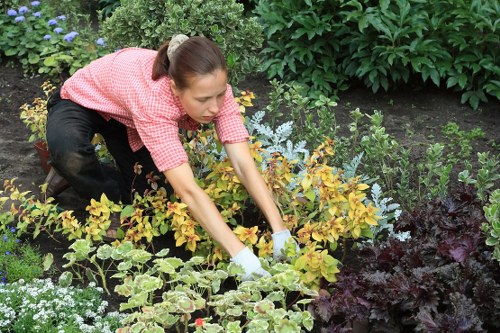 We also maintain relationships with local social enterprises that accept usable garden furniture, raised beds and planters. Where shrubs or small trees can be replanted, we prioritise donation or transfer over disposal. These partnerships close the loop between gardening waste and community benefit while decreasing local landfill pressure.
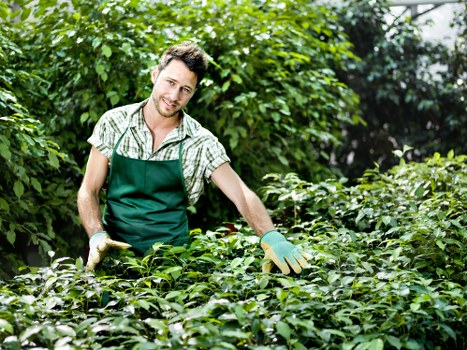 Our sustainable rubbish gardening area policy includes several practical commitments:
- Composting and mulching: turning cuttings, leaves and non-invasive prunings into soil improvers;
- Wood reuse: chipping larger branches for mulch or donating seasoned logs to community projects;
- Reuse and redistribution: offering intact pots, planters and hard landscaping items to charities and allotments;
- Responsible disposal: ensuring contaminated or hazardous materials are handled through licensed channels, not landfill.
Measuring and reporting on our environmental performance is essential. We routinely record weights and destinations of materials removed and report on monthly recycling percentages. These records help us and our neighbours see progress toward our 75% recycling target, identify problem waste streams, and refine how Gardening Services Wood Green operates in alignment with local authority standards.
Education and practical advice are also part of our sustainable gardening service. We provide clients with simple tips to keep garden waste clean and segregated — such as rinsing containers, avoiding mixed loads of soil and rubble, and keeping timber free of paint or non-organic fastenings — all small steps that improve recycling outcomes across Wood Green.
By combining on-site separation, collaboration with transfer stations, partnerships with charities and the deployment of low-carbon vans, Wood Green gardening services deliver a responsible, community-minded approach to green waste. Our sustainable rubbish gardening area is not just a service feature: it is a commitment to a greener neighbourhood, reduced emissions and a practical circular approach to urban gardening.
We continue to review targets, invest in low-emission vehicles, and explore further collaborations so that our Gardening Services in Wood Green remain a local leader in recycling and sustainable garden waste disposal. Our strategy aligns with both borough waste separation policies and local community priorities, ensuring that every cut, cleared bed and compost heap helps build a cleaner, more resilient local environment.