Noel Park garden services access problems and solutions
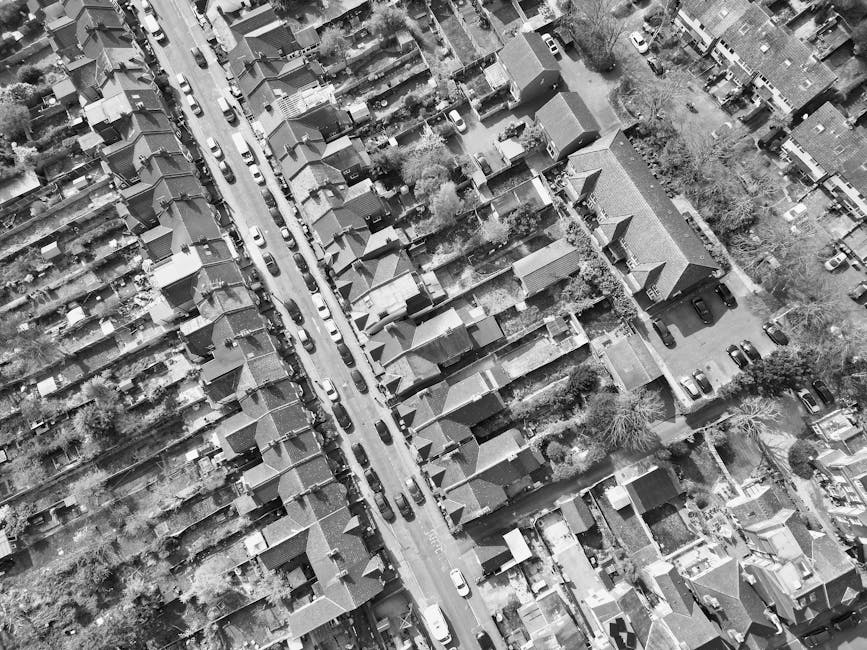
If you have ever tried to get a mower through a narrow side gate, or watched a wheelbarrow stop dead at a shared alley, you already know the issue. Noel Park garden services access problems and solutions are rarely about the gardening itself. More often, they are about how a team gets in, moves materials out, protects neighbouring property, and finishes the job without turning a tidy garden into a logistical headache. In a place with terraces, side passages, compact frontages, and the usual London squeeze, access can decide whether a project feels smooth or painfully fiddly.
This guide looks at the real-world access issues that come up in Noel Park, why they matter, and the sensible fixes that keep garden work moving. Whether you are planning a one-off clearance, regular upkeep, hedge work, or a larger landscaping job, you will find practical steps here that help you avoid delays, extra costs, and those awkward moments when a fence panel is bigger than the gate. To be fair, that happens more often than people think.
Practical takeaway: good access planning is not a nice-to-have. It is one of the simplest ways to save time, reduce disruption, and get a better result from garden services in Noel Park.
- Why access problems matter in Noel Park
- How garden access planning works
- Key benefits and practical advantages
- Who this is for and when it makes sense
- Step-by-step guidance
- Expert tips for better results
- Common mistakes to avoid
- Tools, resources and recommendations
- Law, compliance, standards, or best practice
- Options, methods, or comparison table
- Case study or real-world example
- Practical checklist
- Conclusion
- Frequently asked questions
Why Noel Park garden services access problems and solutions Matters
Access is the hidden make-or-break factor in many garden jobs. In Noel Park, you may be dealing with Victorian or Edwardian-style layouts, narrow side returns, tight front boundaries, shared access routes, parked cars, and gardens that can only be reached through the house or via a long path. None of that is unusual, but it does change how a job needs to be planned.
Why does this matter so much? Because access affects nearly everything: how quickly waste can be removed, whether heavy materials can be brought in safely, how much labour is needed, and whether a task can be completed in one visit or needs staging over several. A simple lawn cut can still be straightforward, but once you add hedge trimming, garden clearance, timber removal, or new landscaping materials, the route in and out starts to matter just as much as the work itself.
It also matters for your neighbours. Shared passageways, side gates, and front paths can all be sensitive areas. If crews need to carry bags of green waste through a narrow corridor, you want a plan that keeps things tidy and respectful. Nobody wants a trail of soil across a hallway on a damp Tuesday morning. Let's face it, that sets the tone for the whole day.
There is also a cost angle. Poor access often means more manual handling, more time on site, and sometimes smaller or repeated loads for waste. The job can still be done, of course, but it may not be done in the most efficient way. Good access solutions help you get a cleaner quote, a smoother visit, and fewer surprises.
If you are comparing services, it is sensible to look at the wider picture too. A professional team should be able to explain how they handle access, waste movement, and site protection. You can also review the company's services overview to understand how different types of garden work fit together, especially when access is part of the job planning from day one.
How Noel Park garden services access problems and solutions Works
In practice, access planning is a simple process. It starts with finding out how the team will reach the garden, what they will need to carry, and where waste or materials can be placed without causing obstruction. Sounds obvious, but those details are exactly where jobs can stall if nobody checks them properly.
Most access issues fall into a few familiar categories:
- Narrow gates or passages that do not allow large tools, barrows, or materials through easily.
- Long carry distances from street to garden, which increase labour and time.
- Shared access such as communal paths, alleyways, or neighbour-adjacent routes.
- Limited vehicle access for loading waste, soil, aggregates, or new planting materials.
- Height or width restrictions for hedges, sheds, trellises, fencing, or mature growth.
- Trip and safety risks caused by uneven paving, steps, wet surfaces, or clutter.
The solution is usually a combination of preparation, right-sized equipment, and realistic scheduling. For example, if a rear garden is only accessible through the house, a team may choose lighter tools, floor protection, and smaller waste bags instead of bulky tubs. If a front gate is tight, hedge work might be done using sectional cutting and hand tools rather than oversized kit. It is all about matching the method to the site, not forcing the site to fit the method.
For larger jobs, access may affect the order of work. Clearance might come before pruning. Old timber might be removed first so the team has room to move. In landscaping, materials may be staged in smaller drops rather than delivered all at once. That kind of sequencing can save a lot of faff later.
If you are planning more than routine maintenance, it helps to look at the service type as well as the site layout. For instance, a job involving heavy green waste or overgrown plots may benefit from garden clearance, while regular visits may be better handled through garden maintenance. Access influences both, just in different ways.
Key Benefits and Practical Advantages
Sorting access properly gives you more than just convenience. It improves the whole job from start to finish.
- Faster completion - less time spent carrying materials, repositioning tools, or navigating awkward routes.
- Lower disruption - neighbours, household members, and pets are less likely to be disturbed.
- Better safety - fewer trip hazards, less strain, and clearer movement around the site.
- More accurate pricing - teams can quote with less guesswork when access is clear.
- Cleaner results - better planning means less mess in hallways, paths, and shared spaces.
- Less damage risk - walls, gates, paving, and planting beds are easier to protect.
There is also a psychological benefit, if that is not too grand a word for it. Jobs that start with a tidy access plan tend to feel calmer. You can tell when a site has been thought through. Tools are carried in the right order. Waste is bagged before it becomes a pile. Nobody is improvising with a rake and a prayer. That matters.
For households and landlords in Noel Park, better access planning can also help with scheduling. If the team knows the entry points in advance, they are less likely to arrive and discover that a job needs more hands, different equipment, or an alternative route. That reduces the chance of a stop-start visit and keeps things moving on a sensible timetable.
And if the work includes fencing, deck areas, or new layout changes, access planning becomes even more important. Larger elements such as decking or structural landscaping need room for materials, tools, and safe working clearances. A bit of planning upfront can save a lot of grumbling later on.
Who This Is For and When It Makes Sense
This topic is for anyone who wants garden work done in Noel Park without avoidable complications. In real terms, that means:
- homeowners with narrow side access or basement-level gardens;
- landlords preparing a property for new tenants;
- tenants who need a garden restored or kept under control;
- shared-house occupiers dealing with communal entry points;
- busy families who need quick, low-disruption maintenance;
- people planning clearance, hedge work, or landscaping where the route in matters.
It makes sense any time access is not obvious from the street. That includes gardens with locked gates, steep steps, very narrow paths, side alleys, or routes through internal parts of the home. It also makes sense if there is likely to be a lot of waste, because waste removal is often the part that becomes unexpectedly awkward.
A small example: imagine a front garden that looks simple, but the only access to the rear is through a corridor with one tight turn and a raised step. A regular maintenance visit might still be fine. But if you are cutting back a heavy hedge and removing old branches, the team may need to change their method. That is not a problem, really. It just needs to be flagged early.
And yes, sometimes the issue is not the entrance itself but what sits around it. Pots, bikes, bins, prams, tools, old compost bags, a slightly sticky gate - all of those little things add up. One small blockage can slow a whole visit. Annoying, but fixable.
Step-by-Step Guidance
If you want to avoid access headaches, here is the simplest way to approach it.
- Walk the route before the work starts. Check the path from street to garden and note every gate, step, corner, and obstacle.
- Measure the tight points. Width matters for mowers, barrows, branches, boards, and waste bags. Even a rough measure helps.
- Identify what must move. Bins, plant pots, bikes, outdoor furniture, loose slabs, or stored materials may need to be shifted temporarily.
- Decide how waste will leave the site. Can it be bagged and carried? Will it need staged loading? Is a van stopping nearby?
- Match the equipment to the access. Smaller tools, hand finishing, sectional cutting, or lighter carriers may work better.
- Protect surfaces. Where needed, use coverings for hallways, thresholds, and paving to reduce scuffs and soil transfer.
- Confirm the working order. Do the heaviest or messiest tasks first if that makes movement easier.
- Keep one clear exit route. A site can become cramped fast. Leave a clean path for carrying waste out.
If you are booking a team for pruning, overgrowth reduction, or boundary work, it is also worth thinking about height and reach. For example, hedge trimming can be straightforward on an open frontage, but much more involved if the hedge sits behind a narrow side passage or overhangs a shared path.
For trees or large woody growth, access and safety become closely linked. A job may require sectional removal, controlled lowering, or extra room around the work area. The same goes for bigger one-off jobs such as tree lopping and removal, where a clear, well-managed route is not just convenient but essential.
Expert Tips for Better Results
Here are the practical touches that tend to make the biggest difference.
- Send photos early. A few clear pictures of gates, side passages, steps, and the main work area can tell a professional a lot more than a quick description.
- Be honest about the awkward bits. If the access is tight, say so. Nobody benefits from pretending a narrow alley is actually a generous service road.
- Clear the route yourself if you can. Moving a wheelbarrow, folding a table, or unlocking a gate beforehand saves time.
- Ask about waste handling. Some sites are fine for bagged removal; others need a more staged approach. Knowing this in advance avoids confusion.
- Allow a little slack in timing. Access-heavy jobs almost always take a touch longer than a straightforward open-garden visit.
- Think about neighbour relations. If shared access is involved, a quick heads-up can prevent avoidable friction.
One thing we often see is people focusing on the visible task and forgetting the movement between tasks. The cutting itself may take 20 minutes. The carrying, staging, and tidying may take much longer. That is not a complaint, just reality.
If you want a more tailored service from the outset, it is sensible to speak with a team that understands local garden work and access constraints. You can also learn more about the company background on the about us page, which is often a good way to judge how they approach the work, not just what they sell.
And if you are comparing costs or trying to keep within budget, checking the pricing and quotes information can help set realistic expectations before anyone turns up with a van and a full toolkit.
Common Mistakes to Avoid
Access issues are usually predictable. The frustrating part is that they are often predictable after the fact. Here are the mistakes that cause most trouble.
- Assuming the gate is wide enough. It might be for your armchair, but not for a loaded wheelbarrow or a hedge cutter case.
- Underestimating waste volume. Green waste expands fast. What looks like a tidy pile can become a lot of bags.
- Leaving clutter in the route. A few spare items can create a bottleneck where one person has to keep stepping aside.
- Ignoring weather effects. Wet paving, muddy grass, and slippery steps make awkward access even trickier.
- Not planning for internal access. If the garden can only be reached through the house, floors and thresholds need protection.
- Forgetting the final load-out. A job can be nearly complete and still become delayed because there is nowhere easy to gather waste.
A slightly sneaky issue is materials delivery. It is easy to think about access for removing waste but forget access for bringing in mulch, paving, sleepers, soil, or decking components. If the job includes construction-type elements, both directions matter.
For that reason, people often do best when they treat access as part of the scope, not as a minor detail. If the team asks extra questions, that is usually a good sign, not a nuisance.
Tools, Resources and Recommendations
You do not need specialist equipment to start solving garden access problems. In many cases, simple preparation tools are enough.
- Measuring tape for gate widths, passage sizes, and awkward turns.
- Phone camera for clear access photos before the visit.
- Protective coverings for floors, thresholds, or delicate paths where needed.
- Storage bags or bins to keep waste controlled and easier to move.
- Basic lighting if access is dim, especially in early mornings or late afternoons.
- Padlock keys or gate access ready before the team arrives. Simple, but easy to forget.
From a service point of view, it helps to use providers who are clear about safety, payment, and environmental handling. You can review the company's insurance and safety page to understand the reassurance expected around site work and public-facing access, and the health and safety policy for a sense of how careful working practices are framed.
If waste reduction and responsible disposal matter to you, the recycling and sustainability page is also useful. Access problems and waste handling are linked more closely than people realise; the easier it is to sort waste on site, the more likely it is to be handled efficiently.
And if you are still deciding what kind of work is needed, the broader garden maintenance service can be a helpful starting point for smaller, regular jobs where access is manageable but still worth planning properly.
Law, Compliance, Standards, or Best Practice
For most domestic garden jobs, the important point is not legal jargon; it is sensible risk management. That said, there are established UK expectations around workplace safety, safe manual handling, and avoiding damage or nuisance to others. If a contractor is carrying heavy materials through shared or public-facing areas, they should be thinking carefully about safe movement, clear routes, and protecting people and property.
In plain English, best practice usually means this:
- do a sensible site check before work begins;
- avoid creating trip hazards or blocking shared access;
- use the right number of people for heavier lifts;
- protect floors, paths, and entrances where needed;
- handle waste in a controlled and tidy way;
- communicate clearly with the customer about limitations.
If a garden job involves ladders, power tools, sharp cutting equipment, or significant waste removal, safety planning matters even more. That is one reason professional providers usually have policies and procedures rather than just turning up and hoping for the best. Not glamorous, perhaps, but absolutely sensible.
It is also worth reading relevant site information carefully. For example, if a business provides an accessibility statement, that can signal how they think about entrances, pathways, and inclusive service delivery. Likewise, if you have any issue after the work is done, a clear complaints procedure shows there is a formal way to raise concerns.
For terms around deposits, timings, scope changes, or site access responsibilities, the terms and conditions are worth checking before the visit. Dry reading, maybe. Useful reading, definitely.
Options, Methods, or Comparison Table
Not every access issue needs the same solution. Sometimes the simplest method is best. Other times, you need a more careful, labour-heavy approach. Here is a practical comparison.
| Access method | Best for | Advantages | Trade-offs |
|---|---|---|---|
| Direct gate access | Open front or rear gardens with standard-width entry | Fast, simple, easy to move tools and waste | Can still be limited by steps or surface conditions |
| Shared side passage | Terraced properties with narrow routes | Often workable with good planning | Care needed around neighbours, clutter, and turning space |
| Internal access through the house | Gardens with no outside route | Can still allow work to go ahead | Needs protection for floors and extra tidiness |
| Sectional removal and staged carrying | Heavy pruning, clearance, or landscaping jobs | Reduces risk in tight sites | Takes longer and may increase labour |
| Pre-cleared route with smaller tools | Routine maintenance and tighter domestic access | Efficient and low disruption | May not suit major clearance or build work |
For larger transformations, a broader landscaping approach may be the right fit, especially where access affects how materials are delivered and staged. If the project is more than tidying and edging, consider whether landscape gardening or landscaping is the better route. Same garden, different practical reality.
And if your garden includes timber features, seating areas, or raised edges, access planning should also account for elements like decking services. Materials are awkward enough on their own; a narrow passage makes them even more so.
Case Study or Real-World Example
Here is a realistic Noel Park-style scenario.
A small rear garden needed a full tidy-up after months of growth getting away from the owner. The garden itself was not huge, but the access was tight: a narrow side passage, one awkward turn, and a back gate that opened inward. There was also a bin store tucked into the route, which meant the team could not simply wheel waste straight through.
Rather than forcing the job into a standard format, the plan changed. The route was cleared before work began. Waste was bagged in smaller loads. Cutting was done in stages so branches did not build into a pile that blocked movement. The heaviest material came out first, and the lighter finishing work happened once the path was clear. Nothing dramatic. Just sensible sequencing.
The result was a cleaner job, less mess across the access route, and less pressure on the day. The homeowner had expected the work to take longer because of the access limitations, and in fairness, it did. But it was still manageable, and nobody had to squeeze a full-sized barrow through a gap that clearly did not want one.
That is the pattern you see again and again. The solution is rarely heroic. It is usually careful planning, tidy working, and choosing the right service for the site conditions.
Practical Checklist
Use this quick checklist before booking or starting work.
- Have I checked the exact access route from street to garden?
- Do I know the narrowest gate, passage, or turn?
- Are there steps, slopes, wet surfaces, or trip hazards?
- Will the team need to pass through the house?
- Have I moved bins, bikes, pots, furniture, and clutter out of the way?
- Are neighbours or shared users affected by the route?
- Is there enough space for waste bags, tools, and staging materials?
- Do I need protection for floors, paving, or door thresholds?
- Have I shared photos or measurements with the provider?
- Do I understand whether the job is maintenance, clearance, pruning, or landscaping?
If you can answer yes to most of those, you are in a much better position already. Not perfect. Better. And that usually makes all the difference.
For local enquiries or to discuss a site with awkward access, you can use the contact us page to start the conversation before the visit is booked in. A quick chat now is much easier than solving a gate problem on the day.
Conclusion
Noel Park garden services access problems and solutions are really about one thing: making sure the work can happen smoothly in a real London garden, not an ideal one. Tight gates, shared passages, internal routes, and awkward layouts are normal here. The winning approach is not to fight those conditions, but to plan around them with the right method, the right equipment, and a clear understanding of the site.
When access is handled well, everything else gets easier. Quotes become more accurate. Visits feel less disruptive. Waste moves out cleanly. The garden ends up looking cared for rather than merely cut back. That is the difference, and it is a useful one.
So if you are preparing a garden job in Noel Park, take a few minutes to look at the access before anything else. It is a small step, but it can save a lot of trouble. And honestly, the best garden jobs are usually the ones that never had to fight the route in the first place.
Get a free quote today and see how much you can save.
Frequently Asked Questions
What are the most common Noel Park garden access problems?
The most common issues are narrow side passages, tight gates, shared access routes, steps, long carry distances, and gardens that can only be reached through the house. They are all workable, but they need planning.
Can garden services still work if the only access is through my house?
Yes, usually. The team will just need to protect floors, manage waste carefully, and keep the route tidy. It is a bit more involved, but very common in London properties.
How do I prepare a garden with awkward access before the team arrives?
Clear the route, move bins and furniture, unlock gates, take a few photos, and mention any steps or tight corners. The more the team knows in advance, the smoother the visit will be.
Will tight access make my garden service more expensive?
It can, because it may take more time and labour. The exact impact depends on the job type, waste volume, and how difficult the access is. A clear site note helps keep pricing fair and realistic.
Is access more important for clearance than for regular maintenance?
Usually yes. Maintenance can often be done with lighter tools and less waste movement, while clearance, hedge reduction, and landscaping tend to involve bulkier materials and more trips in and out.
What should I tell a gardener about my access route?
Tell them where the entrance is, how wide it is, whether there are steps, whether access goes through the house, and whether there are shared areas or locked gates. Photos are even better.
Can I get hedge trimming done if the hedge sits behind a narrow alley?
Most likely, yes. The team may use sectional cutting, lighter tools, and a staged approach to waste removal. It is one of those jobs where access changes the method, not the outcome.
What if I am not sure whether the access is suitable?
That is fine. Describe the route as accurately as you can and share photos if possible. A professional team can often tell from that whether the job is straightforward or needs a more careful plan.
Do landscaping projects need more access planning than simple garden tidy-ups?
Usually they do. Landscaping often involves materials like soil, timber, paving, or decking components, which means both delivery and removal routes matter. Small access issues can quickly become big ones.
How can I avoid damage to my hallway or paths during garden work?
Ask about floor protection, careful carrying, and waste staging. If the route goes through the house or over delicate paving, protective measures should be part of the job plan.
Should I choose garden maintenance or garden clearance if access is tight?
If the garden mostly needs regular upkeep, maintenance is usually the better fit. If the space is overgrown, cluttered, or full of waste to remove, clearance may be more appropriate. Access affects both, but the right service depends on the condition of the garden.
Where can I check more about the company's approach to safety and payments?
You can review the health and safety policy, insurance and safety, and payment and security pages for a clearer picture of how the business handles practical and customer-facing matters.